How to tell if fish is fresh
People assume the hard part of cooking fish is the cooking. It isn’t. The hard part is buying it. Get that right and the rest almost takes care of itself.
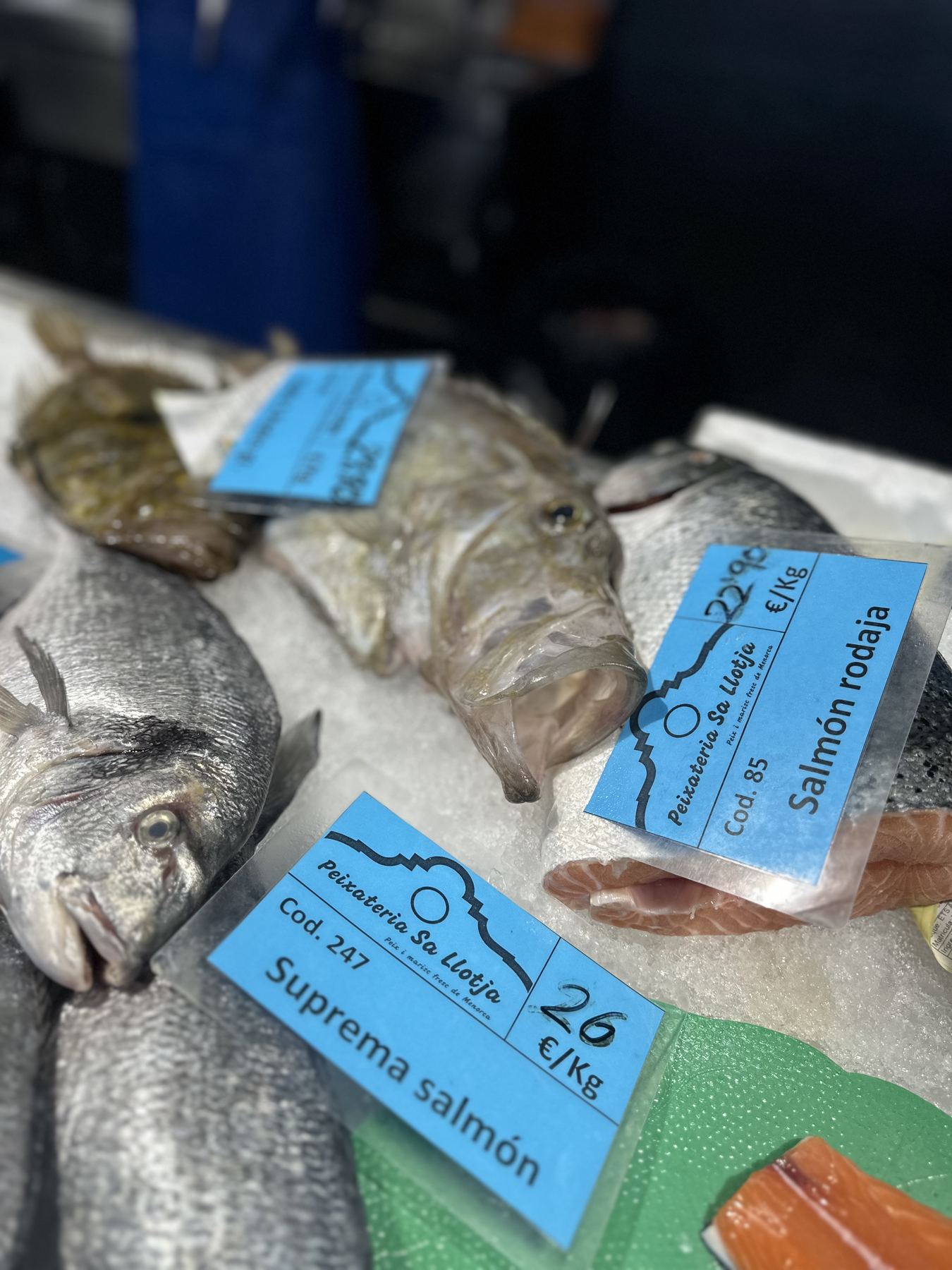
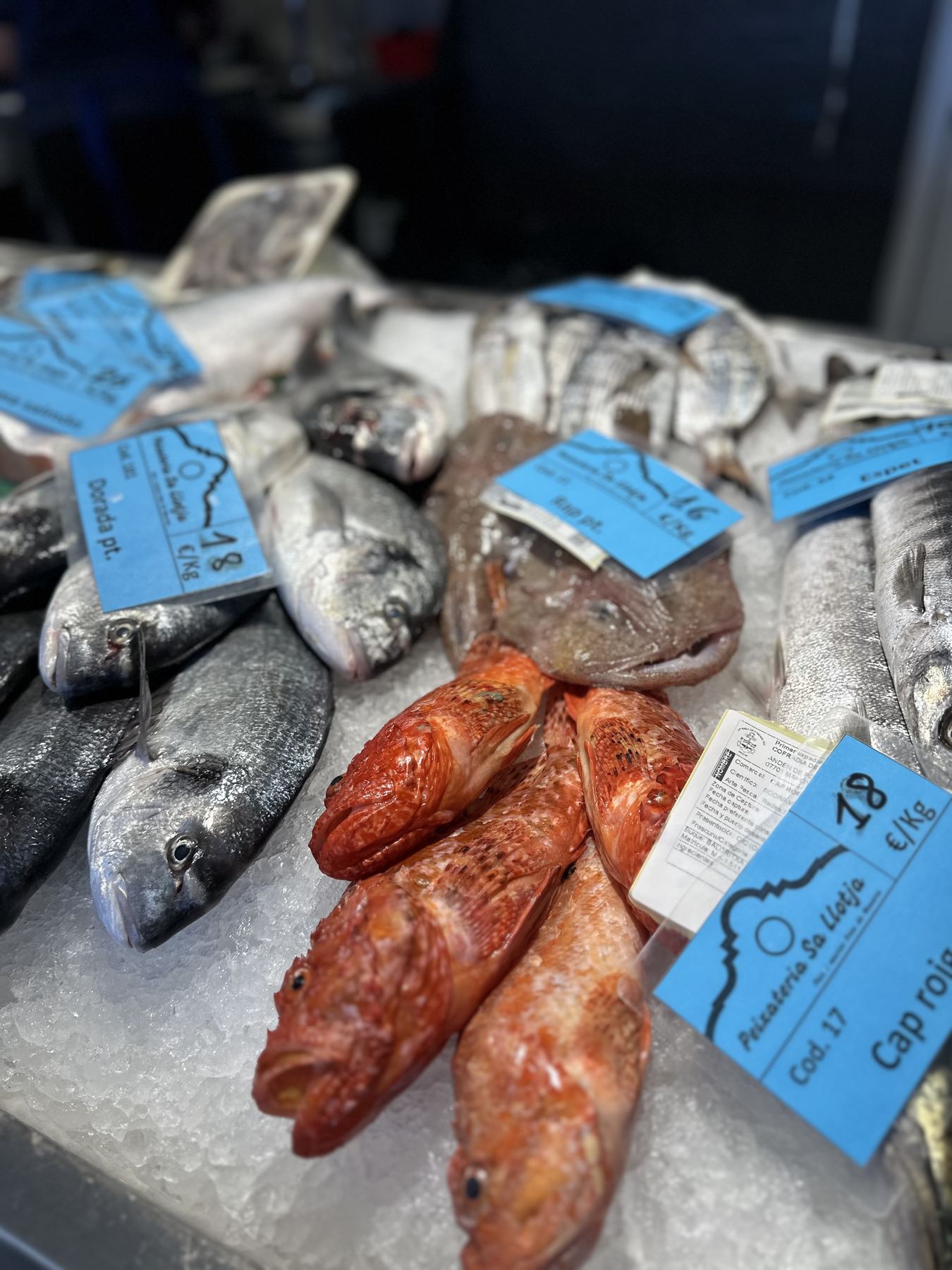
Most mornings when I’m cooking on the island, I start at Sa Llotja — the fish market in Maó, where the day’s catch comes in off the boats. I rarely go with a fixed menu. I let the catch decide. If the corvina looks better than the dorada that morning, the menu changes on the walk back to the car. That’s the whole point of cooking this way: the fish leads, and I follow.
But letting the catch decide only works if you can read the catch. Here’s what I actually look for.
The eyes
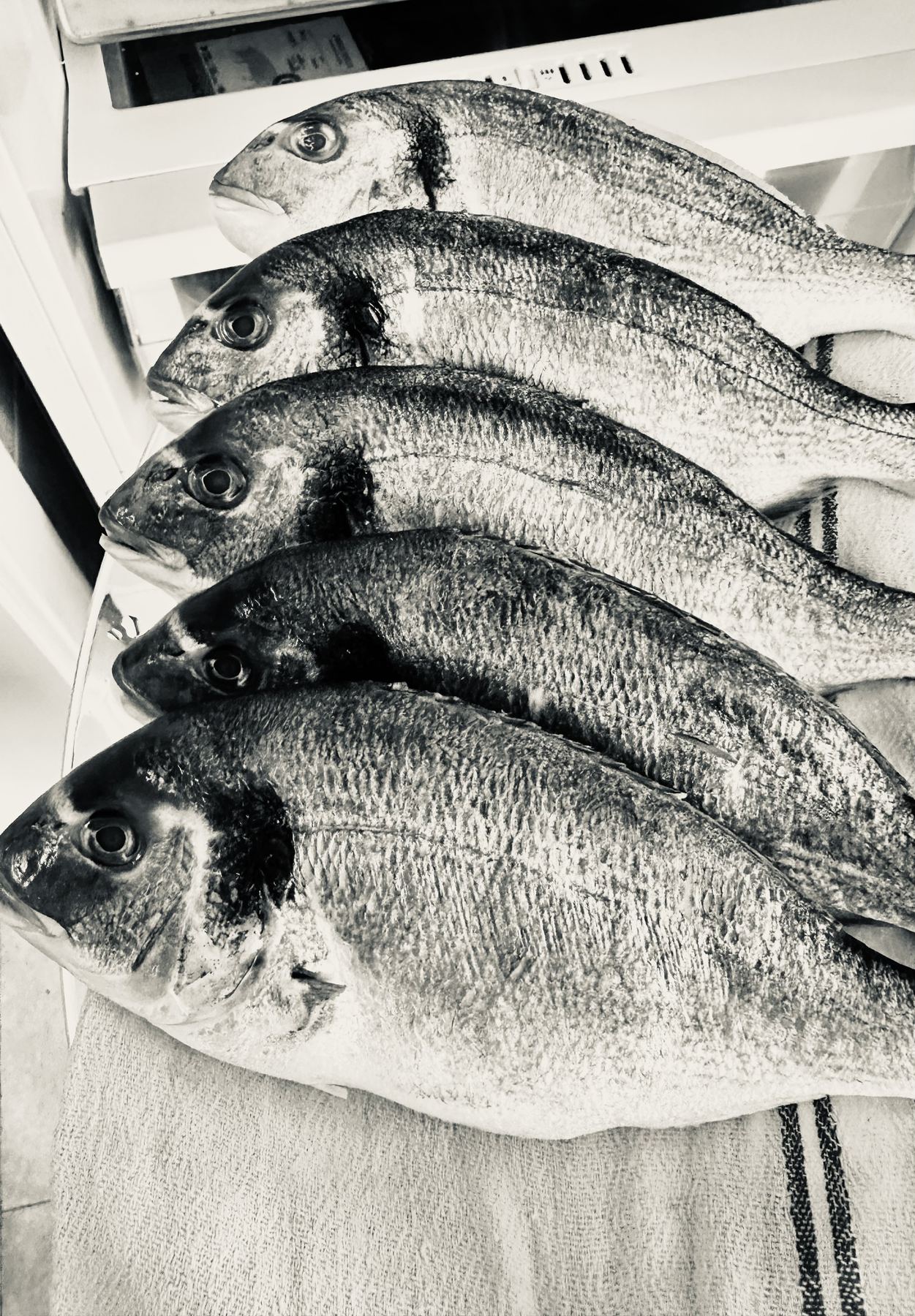
First thing, every time. A fresh fish has clear, full, slightly domed eyes — they sit up, they look wet, they look alive. As a fish ages the eye sinks, clouds over, goes grey and flat. If the eyes are cloudy and collapsed, it doesn’t matter what the price is. I keep walking.
The gills
Lift the gill cover and look at the colour underneath. You want deep, clean red — the colour of blood, not rust. Fresh gills look wet and bright. As the fish ages they fade to brown, then grey, and start to smell. The gills tell you the truth even when the skin still looks good.
The smell
This is the one people get wrong. Fresh fish does not smell fishy. It smells of the sea — clean, briny, like a rock pool at low tide. That sharp “fishy” smell everyone associates with fish is actually the smell of fish going off. If it hits you before you’ve leaned in, leave it.
The flesh
Press it. Fresh flesh is firm and springs back — the dent your finger leaves fills straight back in. If the print stays, the fish is past it. On a whole fish I also look for bright, tight skin with its natural sheen still on it, and scales that are holding on rather than falling away.
Why it matters more for a private chef
In a restaurant you order fish days ahead and cook it the way the kitchen always cooks it. Cooking privately, in someone’s villa, I don’t have that luxury — or that limitation. I buy that morning, I cook that evening, and there’s nowhere to hide a fish that isn’t right. Every plate goes straight from my hands to the person who’s paying for it. So the standard at the stall has to be higher, not lower.
It also means the quality of the fish decides how I cook it — which is exactly how it should be.
How I let the fish decide the dish
- The best of the day, spanking fresh → crudo. If a dorada or corvina is good enough to eat raw, that’s where it goes — sliced thin over ajoblanco, a little chilli, herb oil, something sharp to lift it. Raw is where a fish has nowhere to hide, so it only happens with the ones that earn it.
- A beautiful whole fish → grilled or salt-baked. Whole over fire, or packed in salt and cracked open at the table. Simple, a little theatrical, and it honours the fish rather than burying it.
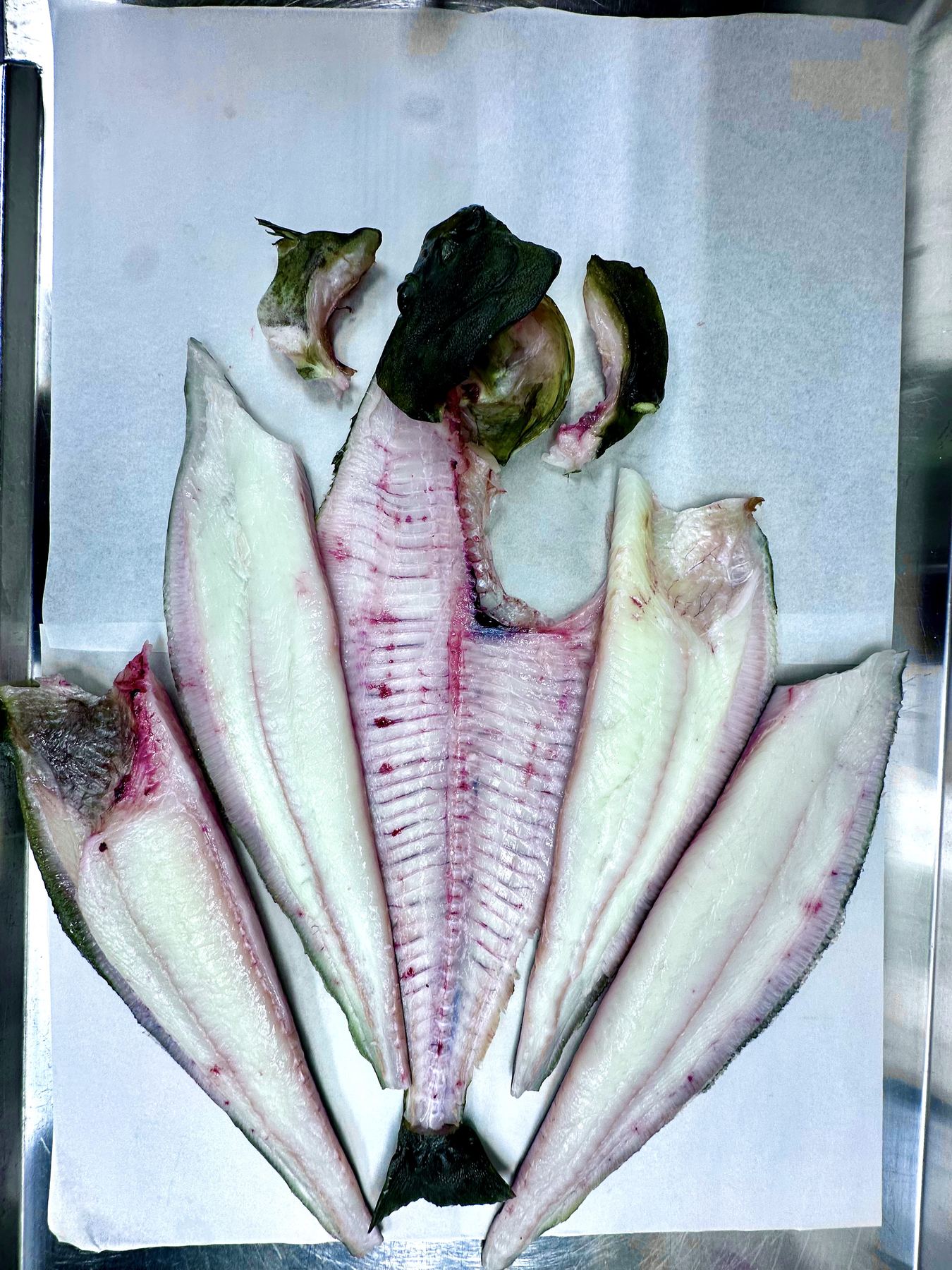
- A generous fillet with time to spare → cured. This is where the Nordic side comes in. I cure fish gravlaks-style — the technique I grew up with in Norway — but with Menorca on the plate: citrus, herbs, whatever the island is giving that week.
Three fish, three completely different dinners, and the fish chose every time. That’s not indecision — it’s the opposite. It’s trusting that the best thing I can do is get out of the way of good produce.
Want fish like this on your table in Menorca?
Get in touch →